
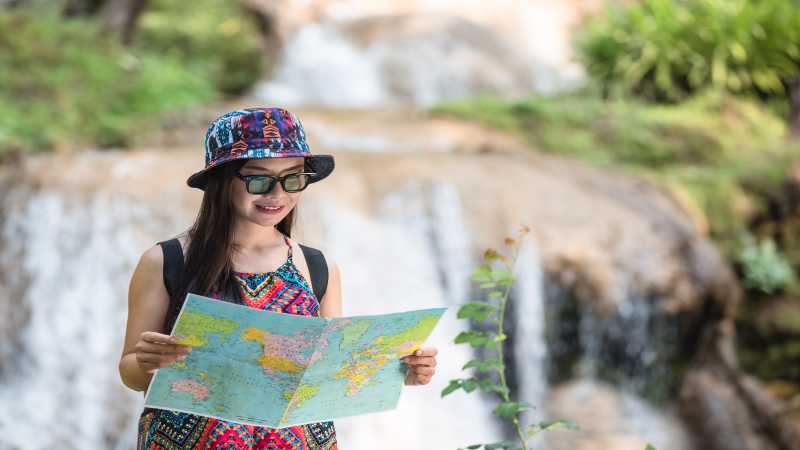
Travel is one of the most enriching human experiences, offering opportunities to discover new places, cultures, cuisines, and perspectives. It goes far beyond simple movement from one destination to another—it is a journey of learning, personal growth, and global connection. In today’s interconnected world, tourism has become both a lifestyle and a powerful global industry that shapes economies and bridges cultures. This article explores the essence of travel, its benefits, major global destinations, responsible tourism, and practical travel advice to enhance your journey.
Understanding Travel and Its Purpose
Travel can be defined as the movement of people between geographical locations for leisure, business, education, or exploration. However, its significance extends beyond physical relocation. It allows individuals to step outside their everyday environment and experience life from different cultural, social, and environmental perspectives.
Each journey offers new insights—whether it is walking through ancient cities, exploring natural landscapes, or engaging with local communities. Travel is ultimately about discovery, both of the world and of oneself.
Reasons People Travel
Modern tourism is driven by a variety of motivations, including:
Leisure and Relaxation
Many travelers seek rest and escape from routine life. Beach resorts, mountain retreats, and peaceful countryside destinations provide ideal environments for relaxation.
Cultural Exploration
Travel offers the chance to experience diverse traditions, heritage sites, festivals, and local lifestyles, enriching cultural understanding.
Adventure and Exploration
Adventure tourism appeals to those seeking excitement through activities such as hiking, diving, skiing, and wildlife safaris.
Business and Education
Professional and academic travel plays a crucial role in global connectivity, enabling conferences, trade, research, and international study programs.
Personal Growth
Travel often encourages self-confidence, independence, and adaptability by placing individuals in unfamiliar environments.
Leading Travel Destinations Worldwide
The world offers a wide range of destinations, each with its own unique appeal:
Europe
Known for its rich history and architectural beauty, Europe attracts millions of visitors to cities such as Paris, Rome, and Barcelona, where art, culture, and history blend seamlessly.
Asia
Asia combines ancient traditions with modern development. Countries like Japan, Thailand, and India offer vibrant cultures, spiritual heritage, and dynamic urban centers.
North America
From the skyscrapers of New York City to the natural beauty of the Grand Canyon and Niagara Falls, North America offers both urban excitement and natural wonders.
Africa
Africa is renowned for its wildlife safaris, deserts, and historical landmarks such as the Egyptian pyramids, offering unforgettable natural and cultural experiences.
South America
With the Amazon rainforest, Andes mountains, and cities like Rio de Janeiro, South America is a destination full of biodiversity and cultural vibrancy.
Oceania
Australia and New Zealand are famous for their stunning landscapes, including the Great Barrier Reef and Milford Sound, making them top choices for nature lovers.
Benefits of Travel
Travel provides numerous personal and societal benefits:
- Enhances knowledge of global cultures and traditions
- Reduces stress and improves mental well-being
- Develops communication and social skills
- Encourages adaptability and problem-solving
- Creates lasting memories and life experiences
In addition to personal growth, travel promotes international understanding and economic development through tourism.
Tourism and Sustainability
Tourism is a major contributor to the global economy, generating employment and supporting local communities. However, increased travel can also place pressure on natural environments and cultural heritage sites.
As a result, sustainable tourism has become increasingly important. Responsible travel practices include:
- Respecting local customs and traditions
- Minimizing environmental impact
- Supporting local businesses and communities
- Conserving natural resources and wildlife
Sustainable tourism ensures that destinations remain preserved for future generations.
Travel Tips for a Better Experience
Proper planning and awareness can significantly enhance the quality of any trip.
1. Plan Ahead
Research your destination, including weather conditions, cultural norms, and travel requirements.
2. Pack Efficiently
Travel light and carry essentials only to ensure comfort and flexibility.
3. Stay Open to Experiences
Some of the most memorable travel moments happen unexpectedly, so flexibility is important.
4. Make the Most of Layovers
To enjoy your layover in a meaningful way, especially when connecting through Etihad Airways in Abu Dhabi or Emirates in Dubai, consider exploring nearby attractions or airport facilities instead of spending the entire stopover waiting at the terminal.
5. Learn Basic Local Communication
Understanding simple local phrases can improve interactions and cultural experiences.
6. Respect Local Culture
Being aware of local traditions, dress codes, and etiquette is essential for responsible travel.
7. Prioritize Safety
Keep important documents secure, stay informed, and follow local safety guidelines.
The Future of Travel
The travel industry is evolving rapidly due to advancements in technology and increasing global connectivity. Digital booking systems, AI-powered travel tools, and virtual experiences are transforming how people plan and experience trips.
Future tourism trends are expected to focus on sustainability, personalization, and eco-friendly transportation. Smart tourism cities and greener travel solutions will play a key role in shaping the industry.
Conclusion
Travel is more than a recreational activity—it is a powerful force for education, cultural exchange, and personal transformation. It connects people across borders and encourages a deeper appreciation of the world’s diversity.
Whether traveling for leisure, work, or exploration, every journey offers valuable experiences that contribute to personal growth. With responsible tourism practices and thoughtful planning, travel can remain a sustainable and enriching experience for generations to come. In essence, the world is not just a place to visit—it is a place to understand, respect, and experience fully.